
Australian Endangered Plant
Banksia Cuneate or Matchstick Banksia
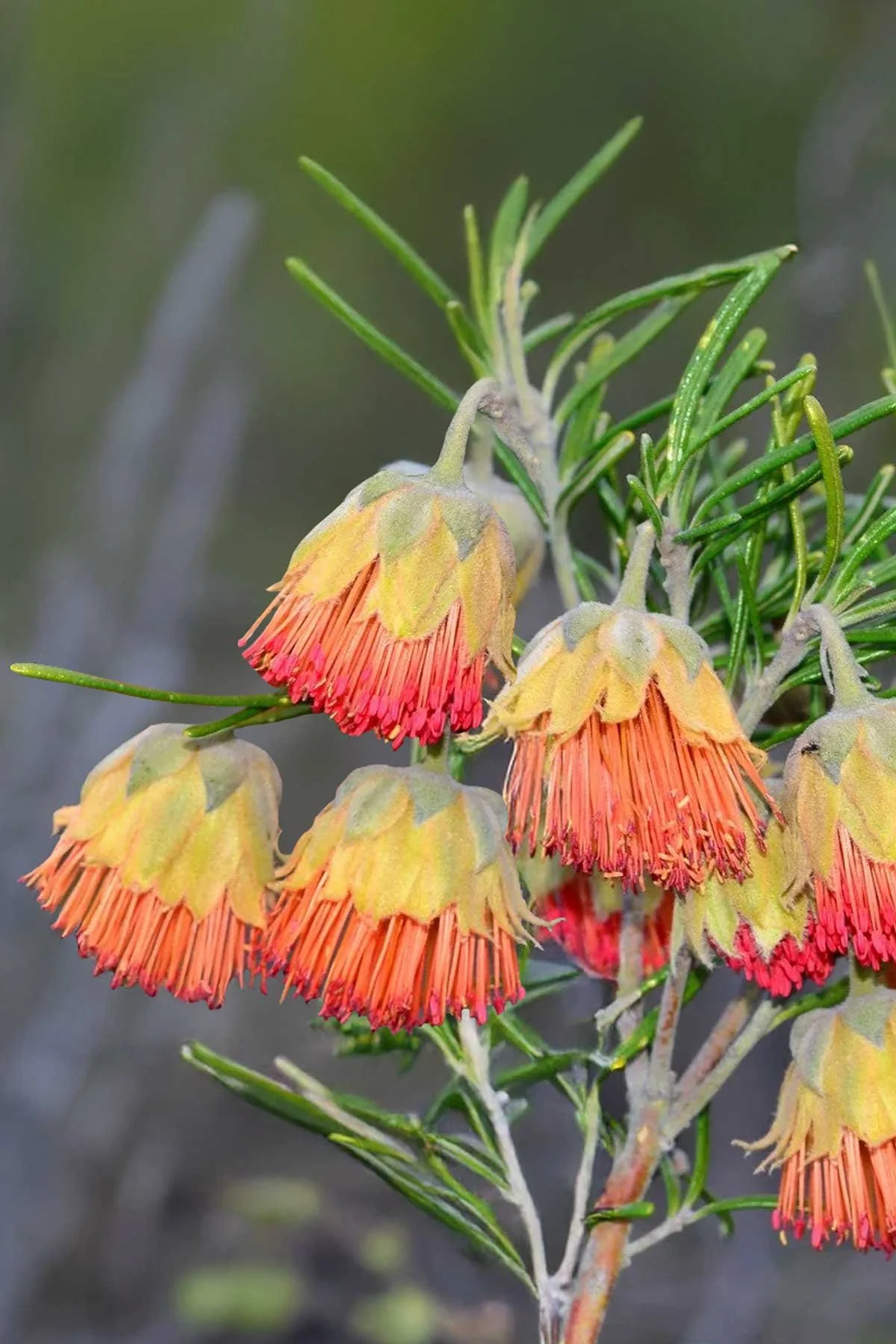
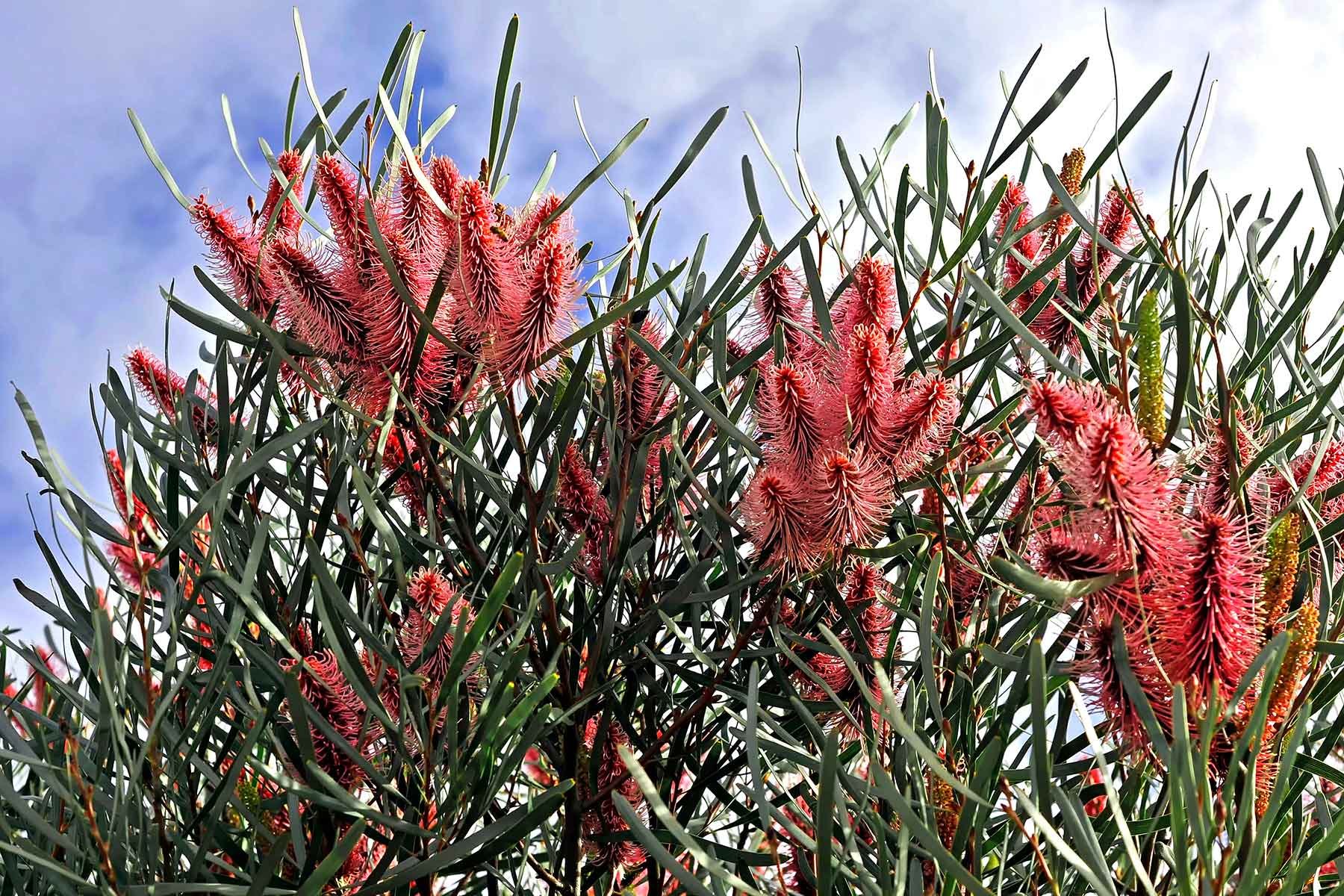
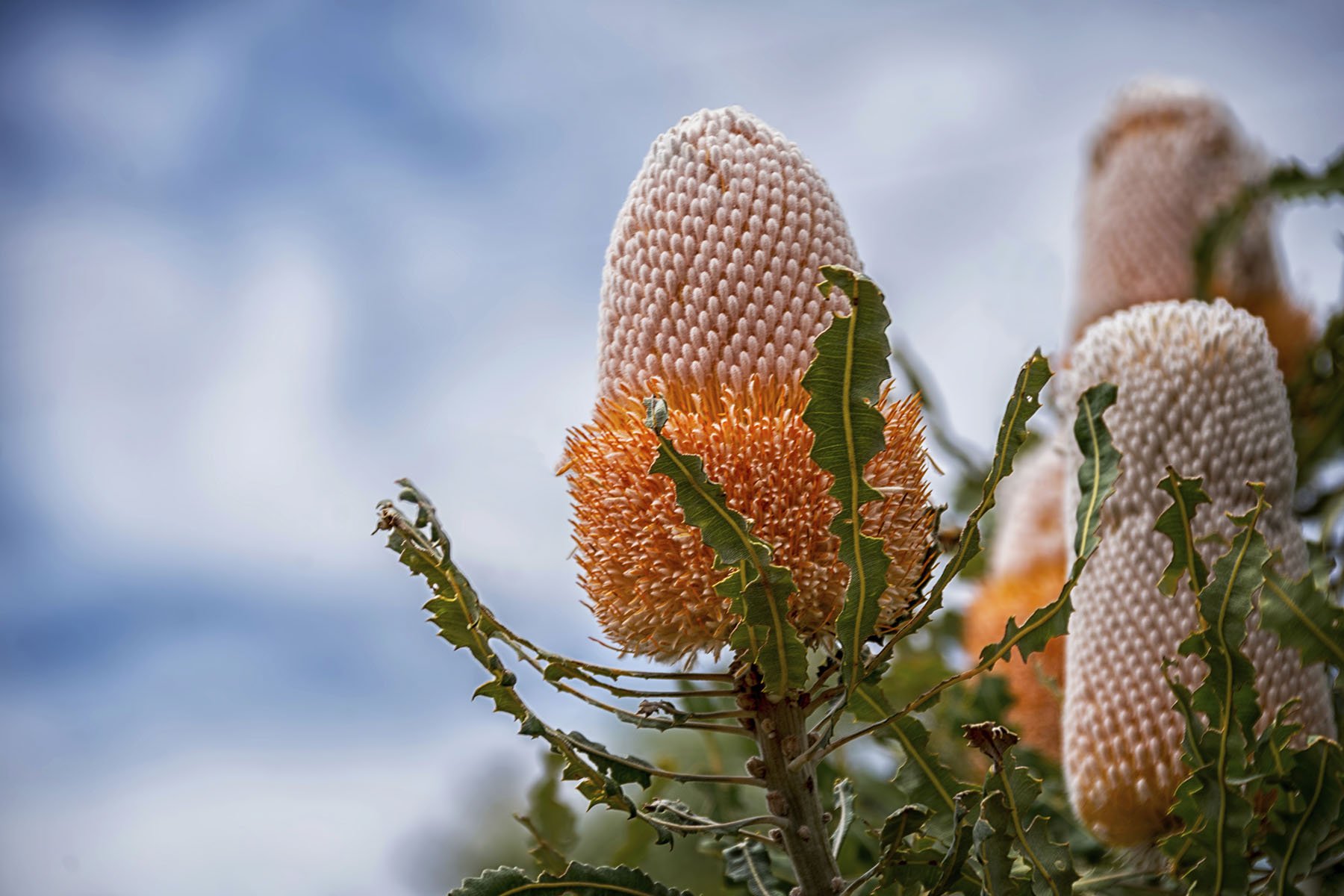
This extraordinarily beautiful plant, Banksia cuneate is a native Australian plant with stunning flowers known for their vibrant pink colour with lime green bulbous tips. Also known as the Matchstick banksia because of its pink spindles and green tips. Sadly, Banksia cuneate is currently classified as critically endangered as there are only approximately 500 of these plants left in the wild at 11 different sites, with much of its habitat having been historically cleared for agriculture.
The extinction of Australian plants is considered most likely to have occurred in areas where there has been major loss and degradation of native bushland. Banksia cuneate is highly susceptible to damage from climate change and intensive urbanisation as well. Tragically, in the 1930’s, up to 93% of the wheatbelt where this plant is found was cleared for land. Unfortunately, this is why a full regeneration hasn’t been possible for Banksia cuneate as the deep yellow sand it favours to grown in only occurs in patches in this particular part of Australia. Add to this the fact that it is also highly susceptible to fire damage from bush fires and introduced pests such as rabbits.
As with a lot of Australia’s unique native species the seeds are only released following fire, however a sufficient time in between fires is needed for the young seedling to grow. With rising temperatures and increased frequency of bushfires, this of course is having a devastating effect, decimating the population. Conservation efforts are still underway with farmers coming on board and fencing off areas and restricting entry of rabbits.
Still more needs to be done to protect this beautiful native Australian plant and the Australian Government has prioritised the Matchstick Banksia as one of the 30 plants under the threatened Species Strategy.
_




Syzygium ‘Cascade’
In a garden of quiet greens, Syzygium ‘Cascade’ is a gentle exclamation.